How to unclog a kitchen sink with a plunger
A kitchen sink that won't drain usually clears in five minutes with the right plunger and the right seal. Here's the exact technique we use in Melrose Park IL.
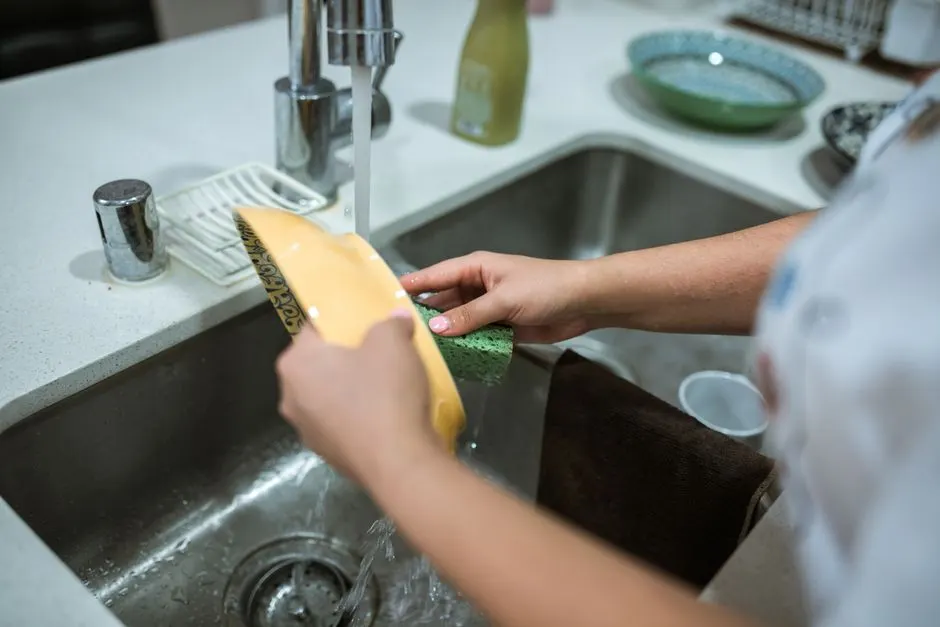
You unclog a kitchen sink with a plunger by sealing the drain opening completely, adding enough water to cover the cup, and giving 15 to 20 firm up-and-down strokes that push and pull the blockage loose. That is the whole job in one sentence. The rest of this article is the part most people skip - which plunger to buy, how to seal a double-bowl sink, and the point where plunging stops working and you need a drain snake or a pro.
We clear kitchen sink clogs across Melrose Park IL every week, and roughly a third of the calls we get are jobs a homeowner could have finished in five minutes with a $12 plunger and a wet rag. The other two-thirds are grease and food clogs that have been pushed deeper by repeated plunging. This guide keeps you on the right side of that split.
Why a kitchen sink clogs in the first place
A kitchen sink clogs because grease, food particles, and soap scum cool and harden inside the drain line, narrowing the pipe until water can't pass. Cooking oil that pours down the drain as a liquid turns solid about 12 to 18 inches down the pipe, right where the water temperature drops. Coffee grounds, rice, eggshell, and pasta settle on top of that grease layer and lock it in place.
Older homes on the 600 block of Broadway and around the Melrose Park Metra station have another factor: cast iron and galvanized steel drain lines that have been in the ground since the 1940s and 1950s. Those pipes corrode from the inside, so the effective diameter shrinks from 1.5 inches to under an inch over 70 years. A sink that drained fine for decades suddenly backs up because there's no margin left.
You can usually tell what kind of clog you're dealing with before you touch a plunger:
- Slow drain, no smell - partial grease buildup. Plunging often clears it.
- Standing water that drains overnight - soft food clog. Plunging usually works.
- Water backs up into the other bowl - clog is past the P-trap, in the branch line. Plunging may work if you seal the second drain.
- Gurgling from the floor drain or a second fixture - the clog is in the main line. Stop plunging and call us.
What type of plunger works on a kitchen sink?
A cup plunger - the plain rubber bell with a wooden handle - is the right tool for a kitchen sink. A flange plunger, the kind with the folded rubber skirt at the bottom, is built for toilets and won't seal on a flat sink drain. If you own one plunger, make it a cup plunger with a 6-inch cup and a 12- to 15-inch handle.
Size matters more than brand. A cup that's too small won't move enough water volume to dislodge a grease clog. A cup that's too large won't fit over the drain opening and seal. Six inches is the sweet spot for a standard 3.5-inch kitchen sink drain.
Skip the accordion-style plungers sold at some big-box stores. They look convenient, but the bellows design moves less water per stroke and the plastic ribs crack within a year. A $10 to $15 rubber cup plunger from a hardware store on North Avenue will outlast three of them.
Step-by-step: how to unclog a kitchen sink with a plunger in Melrose Park, Illinois
Here is the exact sequence we walk homeowners through on the phone. It takes about five minutes and works on most single-bowl and double-bowl kitchen sinks.
1. Remove the strainer and any standing debris
Pull the basket strainer out of the drain. If there's standing water, scoop out what you can with a cup - you want the water level low enough that you can see the drain opening, but not so low that the plunger can't get a seal.
2. Seal the second drain on a double-bowl sink
This is the step almost everyone misses. On a double-bowl sink, the two drains share one P-trap. If you plunge one side while the other is open, water and air just push out the open drain and nothing happens at the clog. Stuff a wet rag tightly into the second drain, or hold a rubber stopper in place with your hand. On a single-bowl sink, plug the overflow hole near the rim if your sink has one.
3. Add water until the cup is covered
You need 2 to 3 inches of water in the bowl. Water is what transmits the force from the plunger to the clog. Plunging a dry drain does almost nothing.
4. Seat the cup and plunge 15 to 20 times
Set the cup over the drain at a slight angle to let air escape, then press straight down to seal it. Give 15 to 20 firm, fast strokes - down and up counts as one. Keep the cup sealed between strokes. You should feel resistance on the downstroke; if you don't, the seal is broken and you're wasting effort.
5. Check the drain, then repeat if needed
Pull the plunger off and run hot water for 30 seconds. If the sink drains freely, you're done. If it's still slow, repeat the plunge cycle two more times. If three full cycles don't clear it, stop - you're now pushing the clog deeper into the branch line and making the eventual repair more expensive.
6. Flush with hot water and a little dish soap
Once the drain runs, fill the bowl with the hottest water your tap produces and add a squirt of grease-cutting dish soap. Pull the stopper and let it drain. The heat and surfactant strip the grease film off the pipe walls and buy you a few extra months before the next clog.
If your sink has a garbage disposal, run it for 10 seconds with cold water before and after plunging. Cold water keeps food waste moving; hot water can melt fats that then re-solidify further down the line. If the disposal itself is jammed or humming without spinning, that's a separate problem - our team handles garbage disposal repair in Melrose Park, Illinois and can usually free a jammed flywheel in one visit.
Common mistakes that make the clog worse
Most failed DIY plunging jobs fail for one of four reasons, and three of them make the clog harder to clear than it was before you started.
- Plunging without sealing the second drain. The most common mistake. On a double-bowl sink, an open second drain turns your plunger into a water fountain and does nothing for the clog.
- Using a toilet plunger. The flange won't seal on a flat sink bottom, so you get zero pressure transfer.
- Plunging too long. After three cycles, you're compacting the clog and driving it past the P-trap into the horizontal branch line. That's when a $0 fix turns into a $250 drain snaking job.
- Pouring chemical drain cleaner first. Caustic cleaners turn grease into a rubbery solid that a plunger can't move and a snake has trouble cutting. They also sit in the trap and can burn a technician who opens the pipe later.
One more: don't plunge a sink that's backing up into a second fixture. If water is rising in your floor drain, dishwasher, or a bathroom sink when you run the kitchen tap, the clog is in the main line, not the sink branch. Plunging won't reach it, and you risk pushing sewage into other fixtures. That's a main sewer line cleaning in Melrose Park, Illinois job, and it's worth calling before the backup gets worse.
When to call a professional
Call a professional if three plunge cycles don't clear the sink, if water backs up into another fixture, or if the sink has clogged three or more times in the past year. Repeated clogs mean the pipe itself is the problem - buildup, corrosion, or a bellied section of line that traps debris every time.
We're Kitchen Sink Pros, and we'd rather tell you honestly when a $12 plunger will do the job than sell you a service call you don't need. When you do need us, we find the actual blockage, clear it, and test the line before we leave. No guesswork, no repeat visits for the same clog.
Signs it's time to stop plunging and call:
- Water stands in the sink more than 10 minutes after three plunge cycles.
- The sink drains, then backs up again within a day.
- You hear gurgling from the floor drain or another sink.
- The water in the bowl is grey or smells like rotten food - that's a sign of a deep, established clog.
- Your home was built before 1960 and the drain line is original cast iron or galvanized steel.
How we clear the clogs a plunger can't reach
When a plunger won't do it, the next step up is a drain snake - a flexible steel cable that cuts through the clog instead of pushing it. For kitchen sinks, we run a hand snake or a drum auger through the P-trap or the cleanout, depending on where the blockage sits. Most kitchen sink clogs clear in 20 to 40 minutes with a snake.
If the line is grease-heavy or has years of buildup on the pipe walls, snaking opens a channel but doesn't clean the pipe. That's when hydro jetting makes sense - a high-pressure water jet at 3,000 to 4,000 PSI scours the full inside diameter of the pipe back to bare metal. It's the difference between poking a hole through a clog and removing it.
For sinks that clog every few months, we often recommend a preventive drain maintenance in Melrose Park, Illinois visit once a year. We snake or jet the kitchen branch, check the P-trap for buildup, and confirm the slope on the horizontal run. Homeowners who do this typically go from three clogs a year to zero.
If you're not sure which service you need, start with a camera inspection. A kitchen sink camera inspection in Melrose Park, Illinois shows us exactly what's in the line - grease, roots, scale, or a broken pipe - before we quote anything. It's the fastest way to stop guessing.
Frequently Asked Questions
How do I unclog a kitchen sink with a plunger in Melrose Park IL?
Remove the strainer, seal the second drain on a double-bowl sink with a wet rag, add 2 to 3 inches of water, and give 15 to 20 firm strokes with a cup plunger. Check the drain, then repeat up to two more cycles. Most kitchen clogs clear in under five minutes this way.
Does a plunger work on kitchen sinks in Melrose Park, Illinois?
Yes, on most soft clogs - grease, food particles, and soap scum. A plunger works on roughly 60 to 70 percent of kitchen sink clogs. It won't clear hard scale, roots, or a clog past the P-trap in the branch line. If three cycles don't work, the clog is deeper than a plunger can reach.
What type of plunger should I use for a kitchen sink in Melrose Park IL?
A standard cup plunger with a 6-inch rubber cup and a 12- to 15-inch handle. Don't use a flange (toilet) plunger - the folded skirt won't seal on a flat sink drain. Avoid accordion-style plungers; they move less water per stroke and crack within a year.
When should I call a professional in Melrose Park, Illinois?
Call after three failed plunge cycles, if water backs up into another fixture, or if the sink has clogged three or more times in 12 months. Repeated clogs point to pipe buildup or corrosion, not a one-time blockage. A camera inspection confirms the cause in about 20 minutes.
Can plunging a kitchen sink damage the pipes?
Not on sound pipes. But on older cast iron or galvanized lines - common in Melrose Park homes built before 1960 - aggressive plunging can loosen a failing joint or push a soft clog past the P-trap into the branch line. If your pipes are original to the house, use gentler strokes and stop after two cycles.
Get help with kitchen sink unclogging melrose park il in melrose park il
If you've plunged three times and the sink still won't drain, we can clear it today. We handle kitchen sink unclogging in Melrose Park, Illinois - grease clogs, food blockages, and everything a plunger can't reach - with upfront pricing before we start.
Call Kitchen Sink Pros at 708-726-5955 and we'll get your sink draining again, usually the same day.